Expert Wildlife Removal Solutions: When to Contact the Experts
Wild animal intrusions can create serious hazards for both structures and wellness. Detecting evidence of animal intrusion is critical for residents. Neglecting these warnings might cause substantial destruction and wellness issues. Knowing when to contact expert wildlife control can be crucial. Yet, many homeowners are unclear regarding the exact signals demanding specialist help. Being aware of these factors can help assure a rapid and competent response. Which circumstances most frequently demand expert assistance?
Recognizing Symptoms of Wildlife Infestation
How does one determine if wildlife has invaded their property? Indicators of animal intrusion may be inconspicuous but important. Finding feces, bite marks, or damaged electrical wiring frequently suggests that creatures have taken up residence. Abnormal sounds, such as scraping or scuttling, especially in evening hours, may signal that wildlife is present in wall cavities or ceiling areas. Additionally, homeowners might notice nests or burrows near entry points, which serve as clear indicators of wildlife habitation. Unclear deterioration to premises, like damaged protective material or punctures in surfaces, further validates the assumption of a wildlife problem. Unpleasant smells, originating from decomposing creatures or excrement, produce a disagreeable atmosphere and indicate an additional alert. Detecting these signals immediately is important for resolving the matter appropriately. By recognizing these signs, residents can take appropriate action to protect their homes from unwanted wildlife intrusions.
Recognizing the Threats of Neglecting Wildlife Issues
Neglecting wildlife issues can bring about major consequences for homeowners. The presence of animals like raccoons, squirrels, or bats within a property can result in structural damage, as these creatures often gnaw on wiring, insulation, and wood. This not only threatens the integrity of the home but also presents potential fire hazards. Moreover, wildlife can spread diseases that can be spread to humans and pets, raising health risks significantly.
In addition, the longer an infestation is allowed to persist, the more challenging and expensive it becomes to resolve. Homeowners may in time encounter expensive repairs, property devaluation, and heightened pest control measures. Beyond financial ramifications, there is also the emotional burden of living with the persistent stress of a wildlife problem. As a result, acknowledging and tackling wildlife concerns promptly is crucial to preserving a safe and healthy living environment.
Advantages of Professional Wildlife Removal Solutions
Specialized wildlife removal services present various significant benefits for property owners experiencing wildlife issues. These professionals employ specialized knowledge and approaches to guarantee safe and humane practices while addressing animal intrusions. In addition, they establish sustainable prevention strategies that help reduce future wildlife problems.
Professional Expertise And Methods
Effective wildlife removal depends on a comprehensive understanding of animal behavior and local ecosystems. Professional wildlife removal professionals are equipped with extensive knowledge about the species they encounter, including their habits, nesting patterns, and seasonal behaviors. This expertise allows them to identify potential entry points and assess the severity of infestations more accurately than the average individual. Additionally, these professionals employ advanced techniques and tools designed specifically for safe and effective removal, providing minimal disruption to the environment. Their familiarity with local laws and regulations also guarantees compliance, reducing the risk of legal issues. Overall, the combination of expert knowledge and specialized techniques significantly enhances the efficiency and success rate of wildlife removal efforts, protecting both properties and wildlife.
Ethical and Humane Procedures
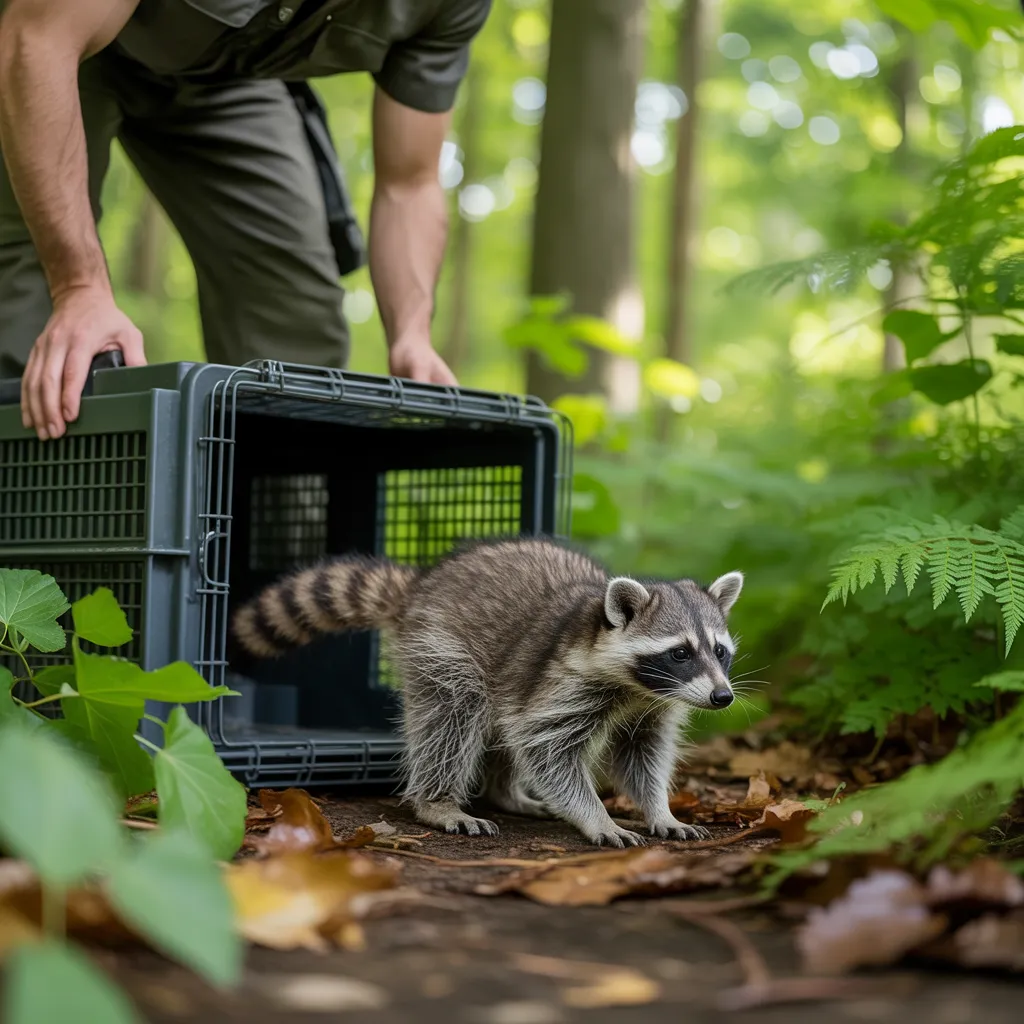
Several homeowners might not understand the substantial benefits of utilizing safe and humane practices in wildlife removal. Professional wildlife removal services prioritize the welfare of animals while successfully addressing infestations. These experts use methods that reduce harm, ensuring that wildlife is captured and relocated rather than exterminated. Such practices not only comply with local regulations but also foster a sense of ethical responsibility within the community. By selecting humane removal, homeowners aid in the conservation of local ecosystems and promote a balanced coexistence with wildlife. Additionally, humane practices often result in less stress for both the animals and the homeowners, leading to a smoother resolution of wildlife issues. In the end, engaging professionals who employ safe and humane methods enhances the overall removal experience.
Strategies for Long-Term Prevention
Though tackling immediate wildlife problems is vital, implementing long-term prevention strategies is vital for maintaining a pest-free environment. Professional wildlife removal services not only address current infestations but also employ techniques to prevent future occurrences. These experts evaluate properties for vulnerabilities, such as gaps in roofing, cracks in foundations, and access points that may attract wildlife. They advise on habitat modification, such as removing food sources and nesting materials. Additionally, professionals can install barriers and traps that effectively stop wildlife from re-entering. By investing in these preventive measures, homeowners can significantly reduce the likelihood of recurring wildlife problems, providing a safer and more comfortable living space for both residents and their surroundings.
What You Should Expect during the Wildlife Removal Process
When a resident encounters unwanted wildlife in their property, understanding what to expect in the wildlife removal process can ease worries and streamline the experience. Initially, a professional wildlife removal service will perform a thorough inspection of the property to establish the type of detailed guide animal and the extent of the problem. They will examine entry points and signs of activity.
Following this, the removal team will create a tailored plan, which may include humane trapping or exclusion techniques. Homeowners can anticipate clear communication concerning the steps involved and any necessary preparations.
When the wildlife is safely removed, the experts will frequently provide recommendations for protecting the property to prevent future infestations. This may include blocking entry points or getting rid of attractants. The process generally concludes with a follow-up visit to ensure the area remains wildlife-free, offering peace of mind to the homeowner.
Guidelines for Selecting the Right Wildlife Removal Experts
In what way can homeowners make certain they select the most qualified wildlife removal experts? Initially, they should prioritize companies with correct licensing and insurance, making certain of compliance with local regulations. Customer reviews and testimonials from former clients can supply valuable insights into the company's reputation and effectiveness. Furthermore, homeowners should inquire about the removal methods used; humane techniques are preferred and often necessitated by law.
Experience is another critical factor; professionals acquainted with local wildlife tend to diagnose and tackle particular problems competently. Property owners must also request information about follow-up services to stop future pest problems, as a thorough approach is essential. Furthermore, securing various quotes permits assessment of offerings and rates, enabling informed decisions. By observing these suggestions, homeowners can confidently choose wildlife removal experts who are both capable and reliable.
Frequent Wildlife Concerns for Homeowners
What typical wildlife problems do property owners encounter? Most deal with complications from raccoons, squirrels, and bats, which commonly search for shelter in lofts or cellars. Raccoons are recognized for searching through garbage and causing structural damage while nesting. Squirrels, conversely, can gnaw through electrical wires, generating fire hazards and substantial restoration expenses. Additionally, bats can enter homes through minor cracks, presenting health dangers due to possible rabies exposure and guano accumulation.
A further widespread issue relates to rodents, such as mice and rats, which can invade homes in search of sustenance and shelter. Their presence not only creates unsanitary conditions but also elevates the risk of diseases. Finally, deer can cause significant damage to landscaping and gardens. All of these wildlife issues requires prompt attention to prevent further complications and ensure a safe living environment.
Proven Protective Approaches Against Wildlife Entry
Stopping wildlife intrusion requires proactive measures that address vulnerabilities in and around a home. Homeowners should first inspect their property for possible entry points, such as gaps in the foundation, chimneys, or vents. Closing these openings with suitable materials can substantially reduce the risk of animals entering.
Furthermore, upholding a clean yard by getting rid of food sources is vital. This includes safeguarding trash cans, compost bins, and pet food. Excessive vegetation and debris should also be cleared, as they can offer shelter for wildlife.
Putting up fences serves to keep larger animals away, while using mesh or screens safeguards gardens from smaller pests. Homeowners should also consider using motion-activated lights or noise-making devices to discourage unwanted visitors. Regular inspections and maintenance of the property will help guarantee that these preventative measures remain effective over time, ultimately safeguarding the home from wildlife intrusion.
Popular Questions
How Much Do Professional Wildlife Removal Services Generally Cost?
Specialized wildlife removal services usually cost between $200 to $600, based on factors such as location, type of wildlife, and intricacy of the situation. Additional charges may apply for follow-up visits or prevention measures.
Is Round-the-Clock Wildlife Removal Service Available?
Countless wildlife removal specialists feature 24/7 support to tackle urgent situations. Their constant service assures that property owners can obtain instant assistance, particularly during emergencies involving potentially threatening or troublesome wildlife incidents.
Can Wildlife Removal Harm the Animals Involved?
Methods for wildlife removal differ, but most seek to minimize harm to animals. Ethical practices prioritize humane techniques, facilitating safe relocation without injury, though some situations may accidentally lead to harm based on circumstances and methods employed.
Do I Need a Permit for Wildlife Removal?
Throughout many jurisdictions, permits are required for wildlife removal to ensure compliance with regional laws and regulations. Property owners should verify with their local wildlife agency to identify specific requirements and sidestep legal complications.
How Long Should You Expect the Wildlife Removal Process to Take?
Wildlife removal processes usually take between several hours and a few days, depending on which species is involved, the complexity of the situation, and the techniques employed for extraction and exclusion from your property.